About Art Therapy
What is art therapy?
|
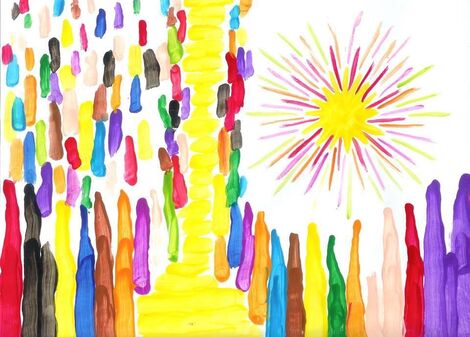
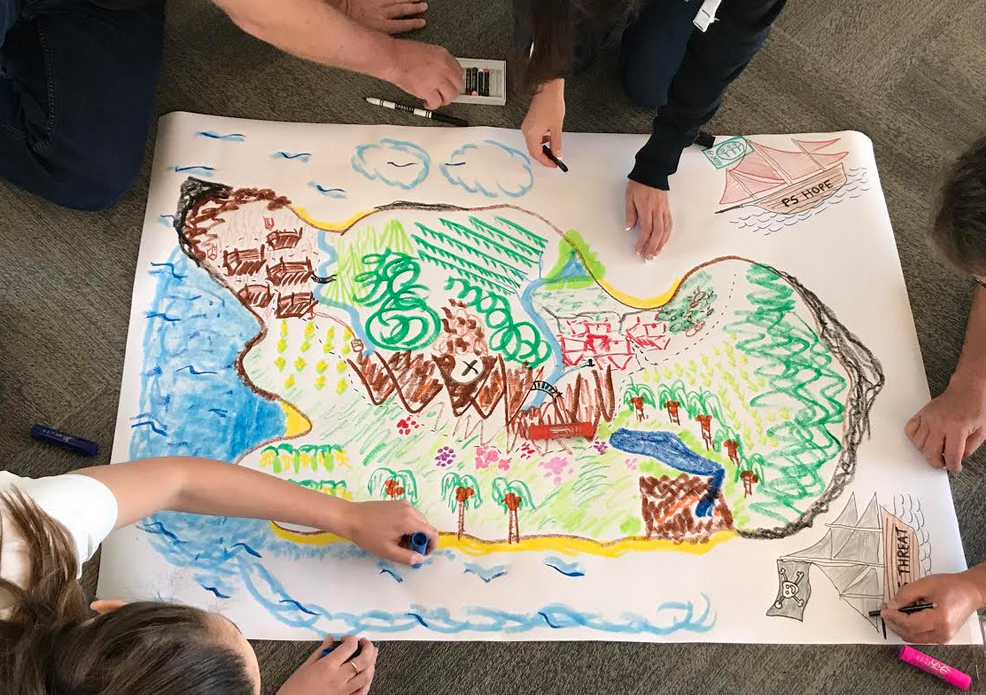
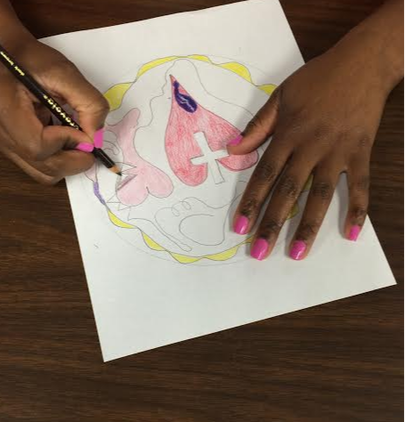
The American Art Therapy Association defines art therapy as “an integrative mental health and human services profession that enriches the lives of individuals, families and communities through active art-making, creative process, applied psychological theory and human experience within a psychotherapeutic relationship. Art therapy, facilitated by a professional art therapist, effectively supports personal and relational treatment goals as well as community concerns. Art therapy is used to improve cognitive and sensorimotor functions, foster self-esteem and self-awareness, cultivate emotional resilience, promote insight, enhance social skills, reduce and resolve conflicts and distress and advance societal and ecological change.”
|
|
|
Who benefits from art therapy?Art therapists work with people of all ages and backgrounds as it is an effective treatment for persons experiencing developmental, medical, educational, physical, social or psychological impairment. A key goal in art therapy is to improve or restore an individual's functioning and his/her sense of personal well being. Individuals, couples, families, and groups can all benefit from art therapy interventions in various settings, including (but not limited to) mental health facilities, rehabilitation settings, healthcare environments, educational settings, in private practice, forensic settings, workshops, and small-group settings. No artistic skill is necessary as individuals use the therapeutic process to explore their feelings, reconcile emotional conflicts, foster self-awareness, manage behavior, develop social skills, improve reality orientation, reduce anxiety and increase self-esteem.
|
How do I become an art therapist?Art therapists are masters or doctorate level mental health professionals trained in both art and psychotherapy. Coursework from an approved university includes human development, psychological processes, psychiatric diagnoses, spiritual, multicultural and artistic traditions as well as the healing potential of art. In addition to coursework, training requirements for art therapists include 1,700 hours of supervised clinical work with 700 hours of a supervised practicum during graduate training and 1,000 clinical hours post-graduation. Graduates must subsequently pass a comprehensive examination administered by the Art Therapy Credentials Board (ATCB) to earn the ATR-BC credential. Credentials are maintained by completing at least 100 continuing education hours every five years.
|

|
Where do I get an art therapy education?
The American Art Therapy Association encourages you to consider either an AATA approved or CAAHEP accredited program as both types of quality programs undergo a rigorous review process which ensures their resources, curriculum, faculty and policies are prepared to meet your learning needs.
|
How are credentials approved?The Art Therapy Credentials Board manages the credentialing and testing processes of art therapists to ensure the professional and high-caliber practice of the profession. Their mission is to “protect the public by promoting the competent and ethical practice of art therapy through the credentialing of art therapy professionals."
Registered Art Therapist (ATR) are art therapy clinicians who meet established standards, with successful completion of advanced specific graduate-level education in art therapy and supervised, post-graduate art therapy experience. Board Certification (ATR-BC) are art therapy clinicians who complete the highest-level art therapy credential by passing a national examination, demonstrating comprehensive knowledge of the theories and clinical skills used in art therapy. |